In This Article
- Can fermented stevia target cancer cells while sparing healthy ones?
- How does fermentation enhance stevia's bioactivity?
- What is CAME and why is it a breakthrough compound?
- How does FSLE induce apoptosis in cancer cells?
- Could fermented plants be the future of cancer therapy?
Fermented Stevia Shows Promise Against Pancreatic Cancer Cells
by Alex Jordan, InnerSelf.comPancreatic cancer doesn’t just sneak up on you—it ambushes you. With a five-year survival rate still under 10%, it’s one of the most lethal forms of cancer. Most patients don’t even know something’s wrong until the disease has already metastasized, making surgical options ineffective and chemotherapy nearly useless. Unlike skin cancer, there’s no visible warning. Unlike breast or colon cancer, there's no widespread screening protocol. And yet, despite its devastation, research funding for pancreatic cancer lags behind.
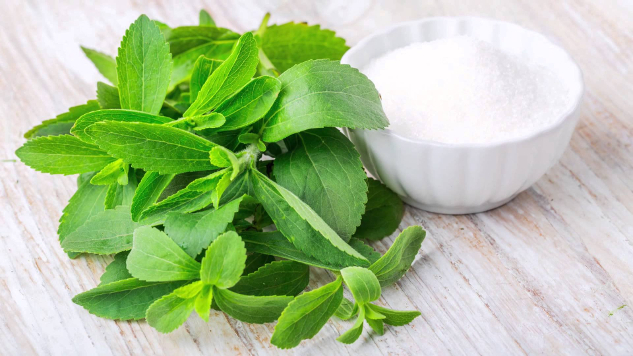
Enter stevia—yes, the same leaf that sweetens your diet soda. But in this case, researchers didn’t focus on its sweetness. They focused on its bioactive compounds. And what they found could change everything we think we know about plant-based medicine and fermentation’s overlooked potential.
From Sweetener to Cancer Slayer
Stevia, particularly *Stevia rebaudiana*, has been studied for decades due to its antioxidant, anti-inflammatory, and anti-hypertensive properties. Yet its anticancer potential was largely considered secondary—an interesting side note rather than a main therapeutic event. Raw stevia extracts showed limited efficacy against cancer cells, needing extremely high concentrations to have any real effect.
But fermentation, that ancient technique used in everything from yogurt to kimchi, changed the equation. Researchers fermented stevia leaf extract using a specific strain—*Lactobacillus plantarum* SN13T, isolated from banana leaves. The result was a biotransformed extract that delivered significantly higher cytotoxicity to PANC-1 pancreatic cancer cells than its raw, unfermented counterpart. The active ingredient they identified? Chlorogenic acid methyl ester—CAME.
The CAME Breakthrough
CAME wasn’t present in unfermented stevia. It was created during fermentation, where microbial enzymes altered the native chlorogenic acid compound into a new molecule with vastly improved anticancer activity. In lab studies, CAME stopped the growth of cancer cells, arrested their development in the G0/G1 phase, and triggered apoptosis—the clean, programmed death cancer cells try so hard to avoid.

And here’s the kicker: while it attacked the cancer cells with precision, it left healthy cells virtually untouched. This kind of selective cytotoxicity is the holy grail of cancer treatment. Chemotherapy and radiation, for all their power, carpet-bomb the body. CAME acts more like a sniper. And it was made not in a multimillion-dollar pharmaceutical lab, but through fermentation with a plant-derived bacterium.
Fermentation as Frontier Science
Western medicine often treats fermentation as a quaint, probiotic practice at best. But in many Asian traditions, fermentation has long been recognized as a tool for transforming food into medicine. This research isn’t just about stevia or cancer—it’s about rethinking how we use ancient processes in modern biotech.
Fermentation increases the bioavailability of nutrients, generates new compounds, and even removes toxic elements from raw materials. In this case, it turned a weakly active extract into a potential drug candidate. Think about the implications: how many other plants could become powerful medicines if passed through the right microbial transformation?
The Mitochondrial Kill Switch
The mechanism behind CAME’s effect isn’t just surface-level inhibition. It works deep within the cancer cell’s survival machinery. It downregulates Bcl-2, an anti-apoptotic gene, and upregulates pro-apoptotic genes like Bax and Bad. These genes control mitochondrial permeability, a kind of cellular point-of-no-return. Once that mitochondrial membrane is breached, cytochrome c leaks out, triggering a cascade that ends in cell death.
In short, CAME flips the cancer cell’s kill switch. And it does it without the off-target toxicity that so often makes conventional cancer treatments unbearable. It doesn’t need to nuke the whole system—it just opens the right door at the right time.
The Money Question
Here’s where it gets complicated. If fermented stevia can do this, what does that say about the pharmaceutical industry’s multi-billion-dollar obsession with synthetic compounds? Why aren’t more resources being poured into low-cost, high-potential research like this? The answer, as usual, involves patents, profit margins, and regulatory inertia. Natural compounds are notoriously difficult to patent. Microbial fermentation doesn’t fit the traditional “drug development pipeline.” So even though it works, it often gets shelved.
But it’s precisely these outside-the-box approaches that we need if we’re serious about defeating cancers like pancreatic. As drug-resistant tumors evolve and side effects remain a major barrier, plant-based and probiotic-enhanced therapies deserve more than a cursory glance.
A New Kind of Pharmacy
Imagine a future where your local pharmacy includes a fermentation lab. Where fresh herbal extracts are dosed with beneficial microbes to enhance their potency. Where drug development starts not with a molecule on a screen, but with a leaf, a bacterium, and a bit of time. It sounds radical now, but so did penicillin once. The shift will require new frameworks for clinical trials, new partnerships between food science and medicine, and a cultural willingness to see value in what is currently dismissed as "alternative."
The Takeaway
Fermented stevia isn’t a cure for pancreatic cancer—not yet. But it is a powerful signal that we may be sitting on a reservoir of untapped therapeutic potential. With the right microbial partners, humble plants like stevia may become tomorrow’s cancer killers. If we’re wise, we’ll stop ignoring the power of fermentation and start seeing it for what it is: nature’s chemistry lab, waiting to be rediscovered.
In the end, the question isn’t just whether stevia can fight cancer. It’s whether our systems—scientific, economic, and cultural—are capable of embracing solutions that don’t fit the mold.
About the Author
Alex Jordan is a staff writer for InnerSelf.com
Related Books:
The Body Keeps the Score: Brain Mind and Body in the Healing of Trauma
by Bessel van der Kolk
This book explores the connections between trauma and physical and mental health, offering insights and strategies for healing and recovery.
Click for more info or to order
Breath: The New Science of a Lost Art
by James Nestor
This book explores the science and practice of breathing, offering insights and techniques for improving physical and mental health.
Click for more info or to order
The Plant Paradox: The Hidden Dangers in "Healthy" Foods That Cause Disease and Weight Gain
by Steven R. Gundry
This book explores the links between diet, health, and disease, offering insights and strategies for improving overall health and wellness.
Click for more info or to order
The Immunity Code: The New Paradigm for Real Health and Radical Anti-Aging
by Joel Greene
This book offers a new perspective on health and immunity, drawing on principles of epigenetics and offering insights and strategies for optimizing health and aging.
Click for more info or to order
The Complete Guide to Fasting: Heal Your Body Through Intermittent, Alternate-Day, and Extended Fasting
by Dr. Jason Fung and Jimmy Moore
This book explores the science and practice of fasting offering insights and strategies for improving overall health and wellness.
Click for more info or to order
Article Recap
Fermented stevia, enhanced by *Lactobacillus plantarum* SN13T, shows potent activity against pancreatic cancer cells. It works by producing chlorogenic acid methyl ester (CAME), a compound that inhibits tumor growth, promotes apoptosis, and spares healthy tissue. This breakthrough points to a future where fermented herbal compounds offer safer, natural treatments for cancer.
#fermentedstevia #pancreaticcancer #naturalcancertreatment #herbalmedicine #FSLE #stevialeafextract #anticancerfoods #chlorogenicacid #Lactobacillusplantarum